
Motion Graphics & Animation / Creative Edge Productions
Motion graphics and 3D animation that explain your work
Show the process, move the message and give an idea a visual form when a camera alone cannot do the job.
Book my discovery call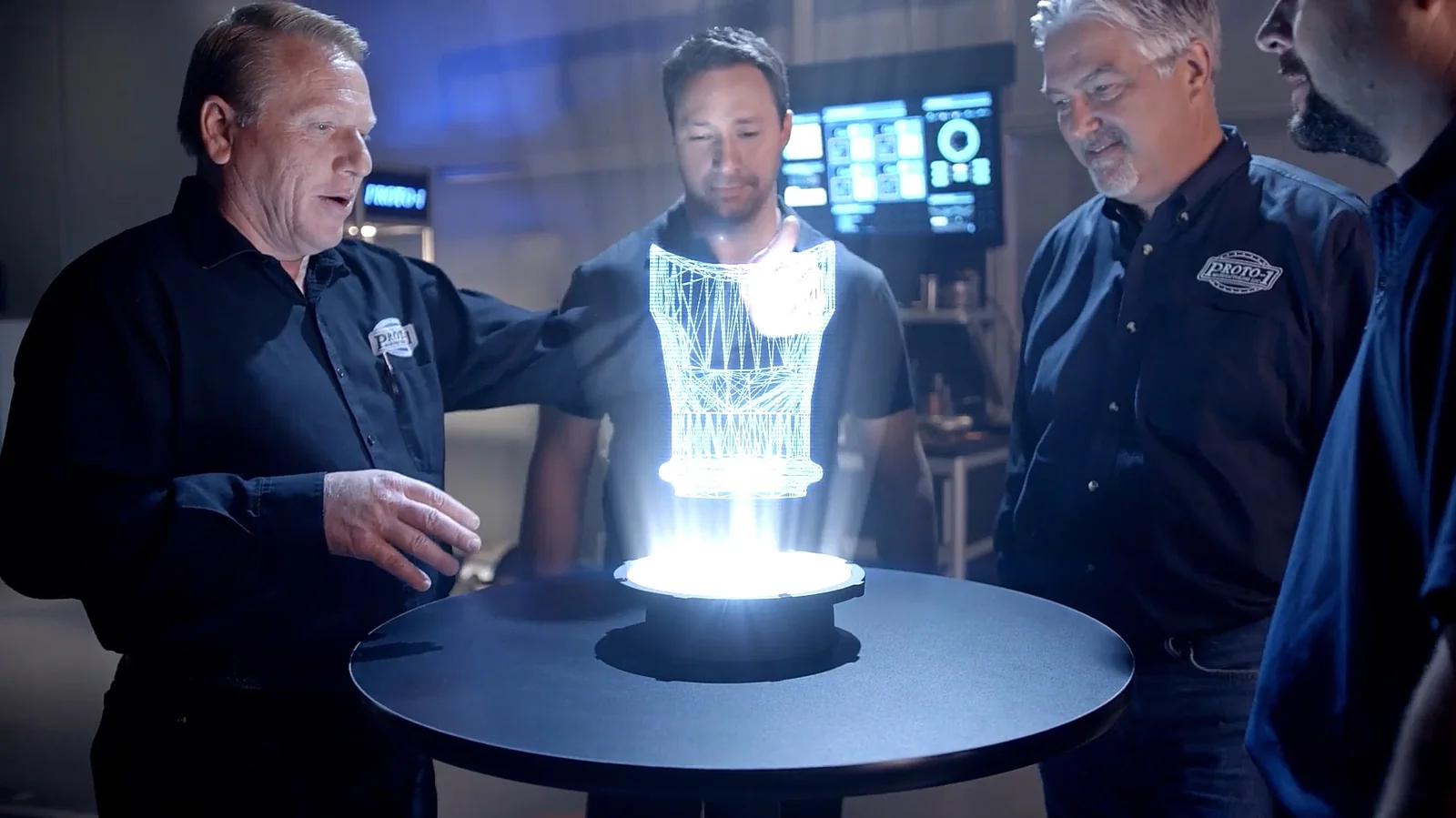 Motion Graphics & AnimationCREATIVE EDGE PRODUCTIONS
Motion Graphics & Animation
Explain what the camera cannot show
Animation is useful when the important part is hidden, abstract or not built yet. A product cutaway can reveal a mechanism. A simple diagram can untangle a process. A well-timed title can make a key point easier to remember.
We develop the visual approach around what the audience needs to understand. Our work can combine typography, 2D graphics, 3D product imagery, compositing and filmed footage. Style frames and a clear storyboard help everyone agree on the direction before detailed animation begins.
Choose the right format
Animation with a clear role in the story
The style should help the audience follow the information, whether the work is simple typography or a detailed product scene.
Animated explainers
Make a process or service understandable with a clear sequence of visual ideas. We decide what needs to be shown and what can be removed before building detailed scenes.
Where it worksService pages, presentations and customer education.
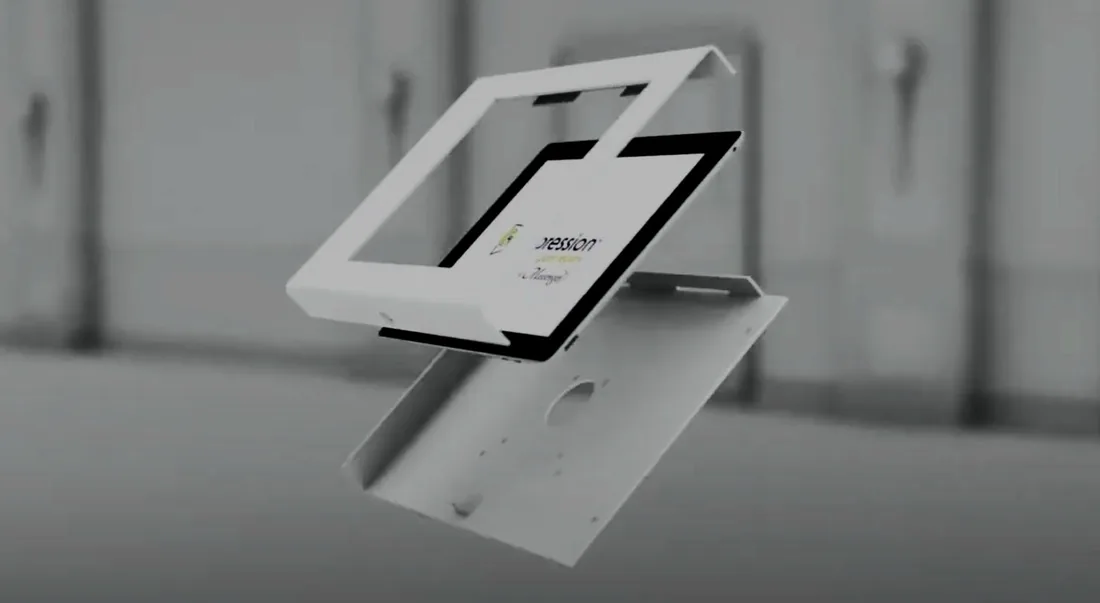
3D product visualization
Show angles, parts or mechanisms that are difficult to film. Accurate source material helps us establish the product’s structure and which details need to be verified by your experts.
Where it worksLaunches, sales tools and technical explanations.
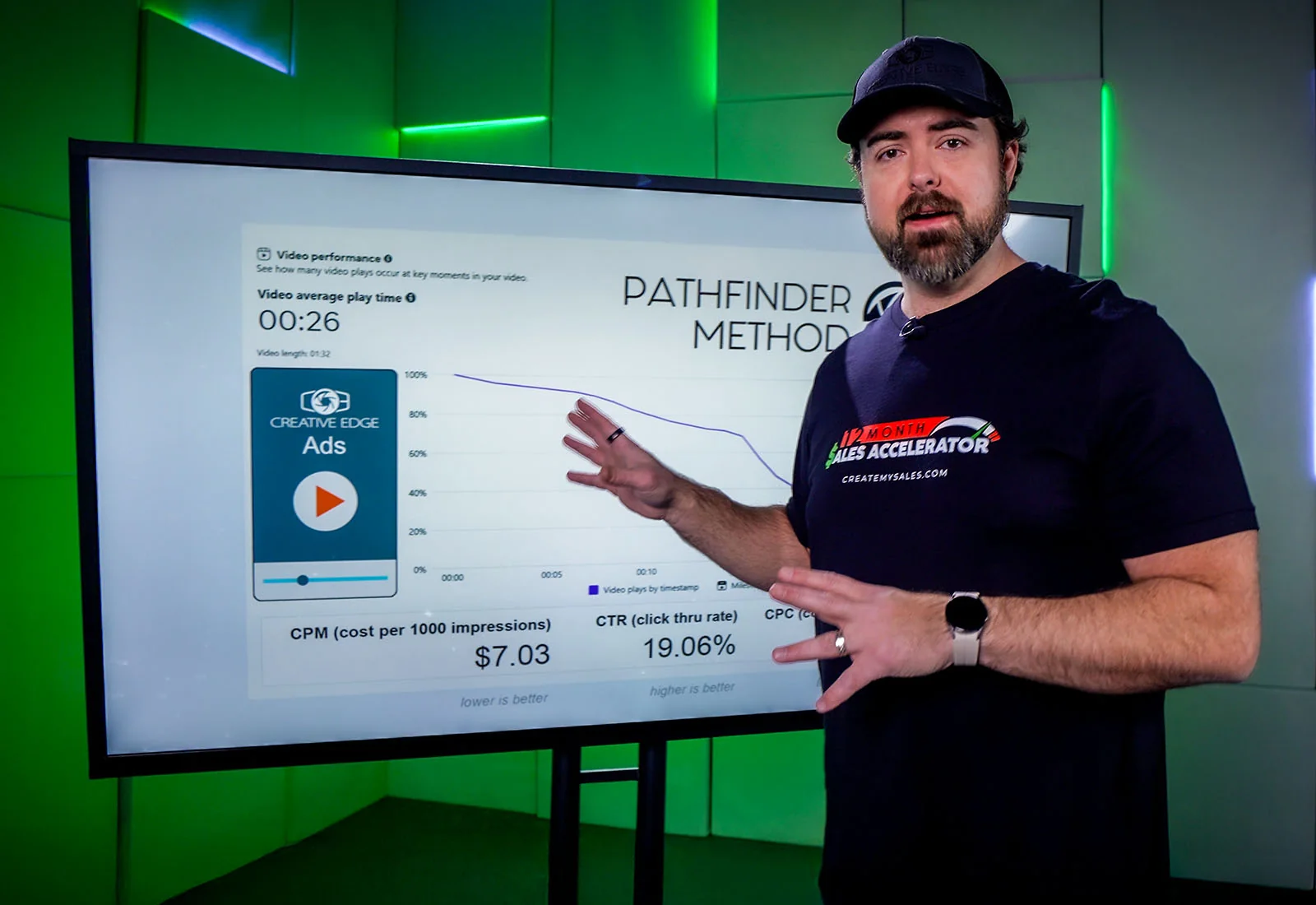
Process diagrams and data graphics
Show relationships, steps and comparisons in a readable order. Charts need accurate inputs and honest scales; movement should clarify the change rather than decorate the numbers.
Where it worksTraining, reports and business presentations.
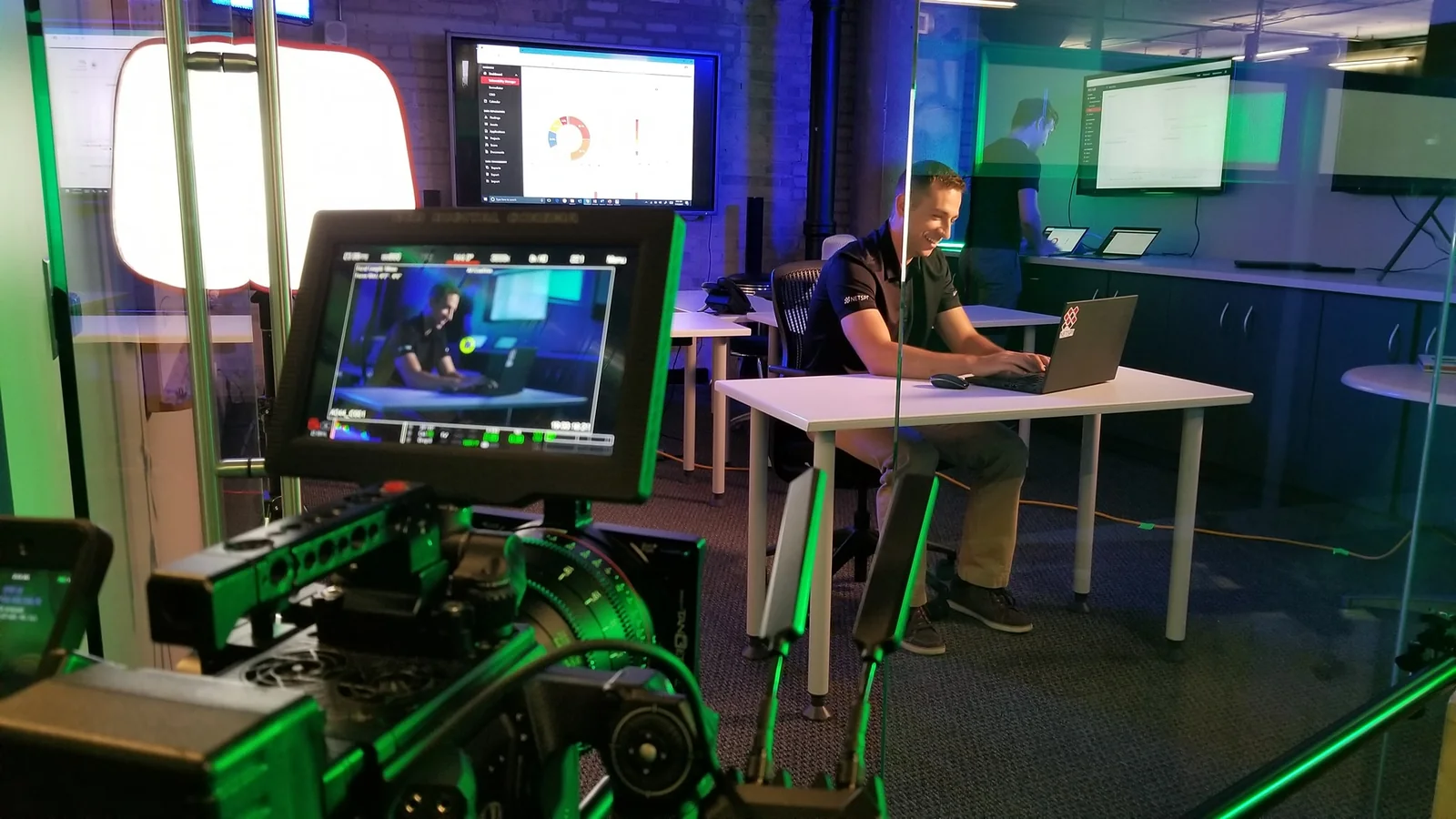
Titles and branded motion
Build a consistent language for names, labels, transitions and end cards. A small motion system can connect a series of videos and make new episodes easier to finish.
Where it worksCompany libraries, podcasts and campaign series.
Compositing and visual effects
Combine separately created elements into a coherent shot. Tracking, masks and cleanup depend on the footage, so we plan the effect and supporting plates before capture whenever possible.
Where it worksCommercials, music videos and product sequences.
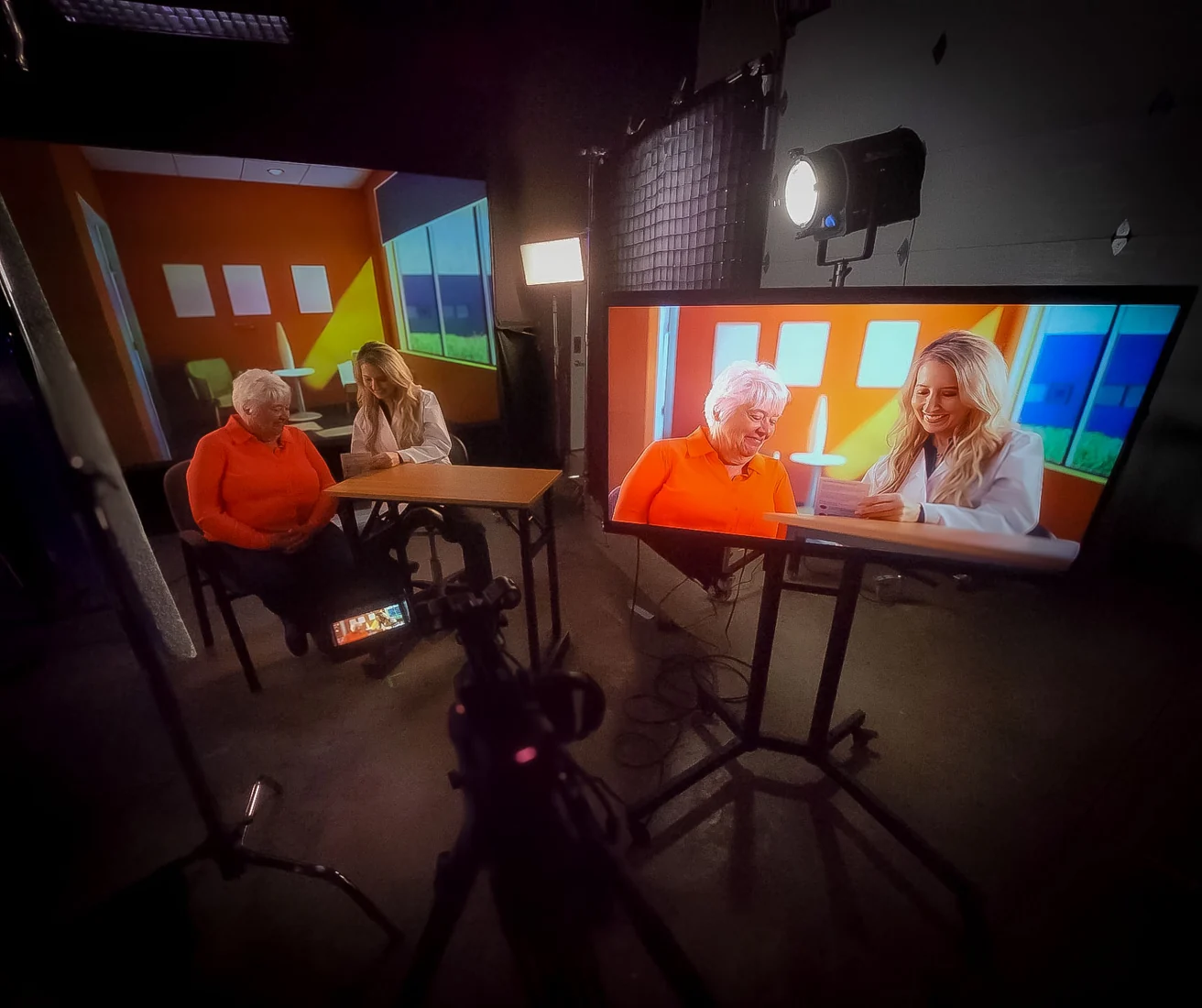
Mixed live-action explainers
Use real people and environments for credibility, then add graphics where a camera cannot reveal the explanation. The transition between techniques is part of the story plan.
Where it worksIndustrial, technical and service-led productions.
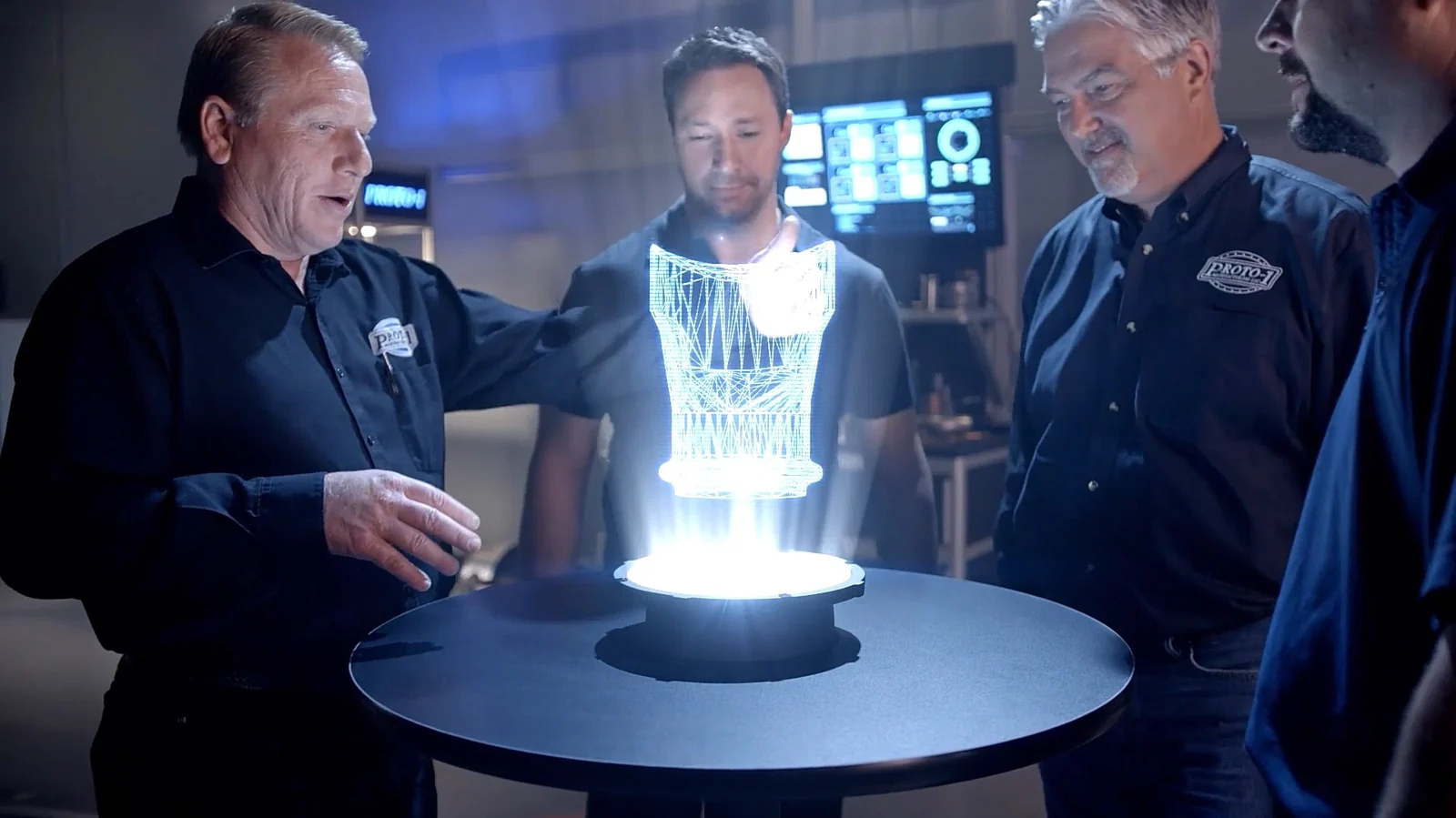
Tools with a purpose
From approved frames to finished motion
The sequence, source files and review points need to be settled before detailed animation expands.
Explore our equipmentScript, storyboard and style frames
These tools establish the message, sequence and visual language before expensive detail work begins. A storyboard explains what changes over time; a style frame establishes how it should look.
2D and 3D techniques
Typography, shape animation, diagrams and modeled scenes solve different problems. We choose the combination around comprehension, accuracy and the material available, rather than treating 3D as automatically better.
CAD, drawings and product references
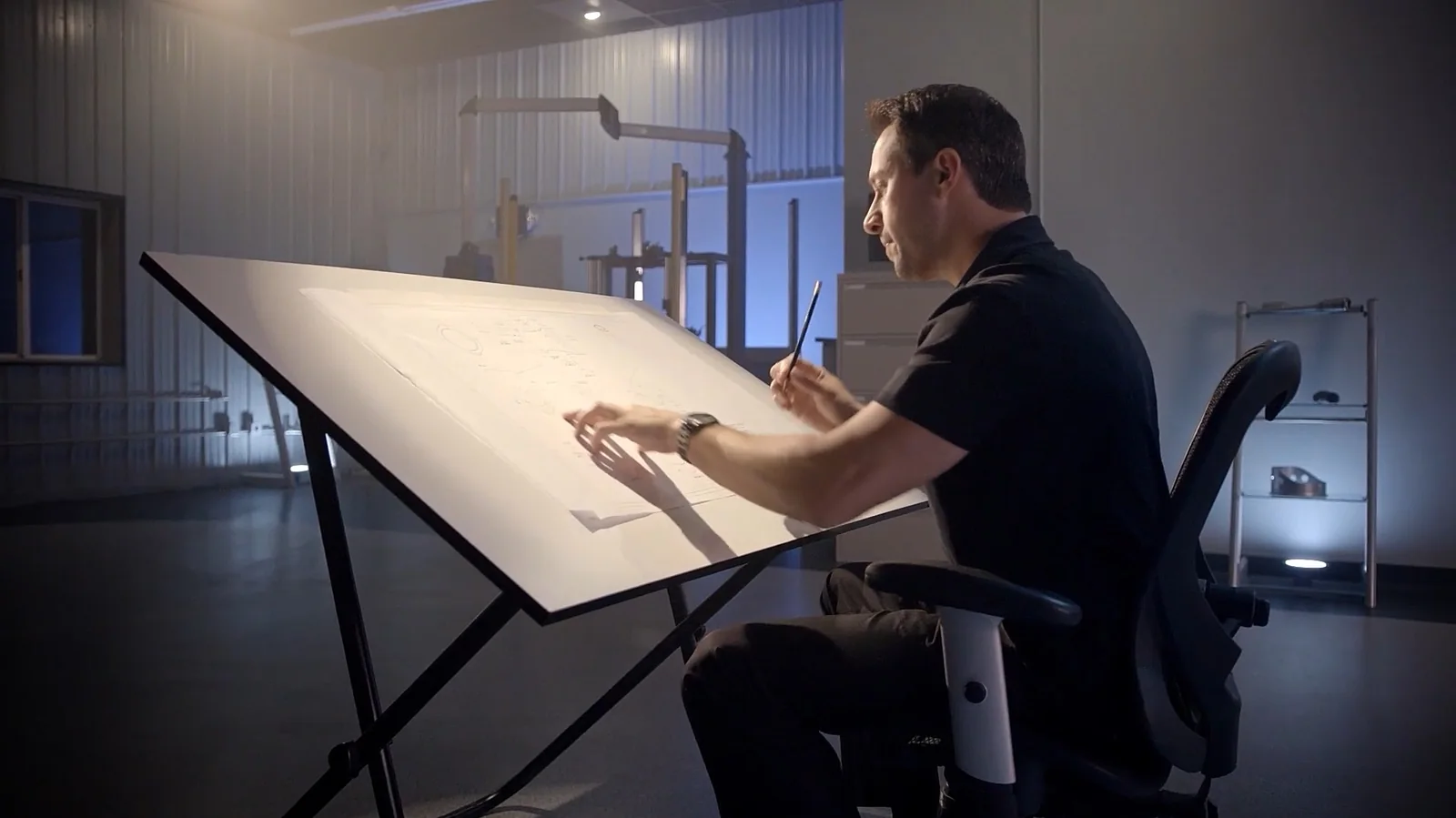
Source files can help establish dimensions and construction, but they may need preparation for rendering. We inspect the material and identify which parts must be rebuilt, simplified or confirmed.
Timing, compositing and sound
Animation is reviewed in motion. Readable pacing, coordinated transitions, compositing and an appropriate sound finish connect individual frames into an explanation people can follow.
Working with Creative Edge
Design and production in the same conversation
We can plan filmed material, constructed visuals and the finishing work as connected parts of the explanation.
A production team can bridge techniques
We can coordinate filmed material, generated elements, graphics and animation within one brief. That gives us options when only part of the explanation needs to be constructed.
Accuracy gets a review stage
We identify the product and process details that need specialist approval. A visually impressive mechanism is not useful if it explains the wrong behavior.
The design is planned for its destinations
A detailed presentation animation and a short phone-first ad need different levels of information. We establish those uses before designing the frames.
From discovery to delivery
How an animated explanation takes shape
Explore each stage to see what happens, where your team is involved and which decisions keep the work moving.
We review the audience, message and source material with your team. Technical assumptions and required claims are identified before writing.
The script and storyboard establish the information order. This is where we resolve missing steps and unnecessary detail.
Style frames establish typography, color, materials and composition. Product or brand details receive the appropriate review before animation.
Scenes are timed and connected. We review movement, readability and continuity, then refine effects, composites and sound.
We prepare agreed versions and formats. If the project needs editable templates or later updates, source-file and licensing requirements are discussed in the scope.