
Color Grading / Creative Edge Productions
Color grading and video finishing
Color guides attention and connects the frames. We balance the footage, build the look and make the finished piece feel like one world.
Book my discovery call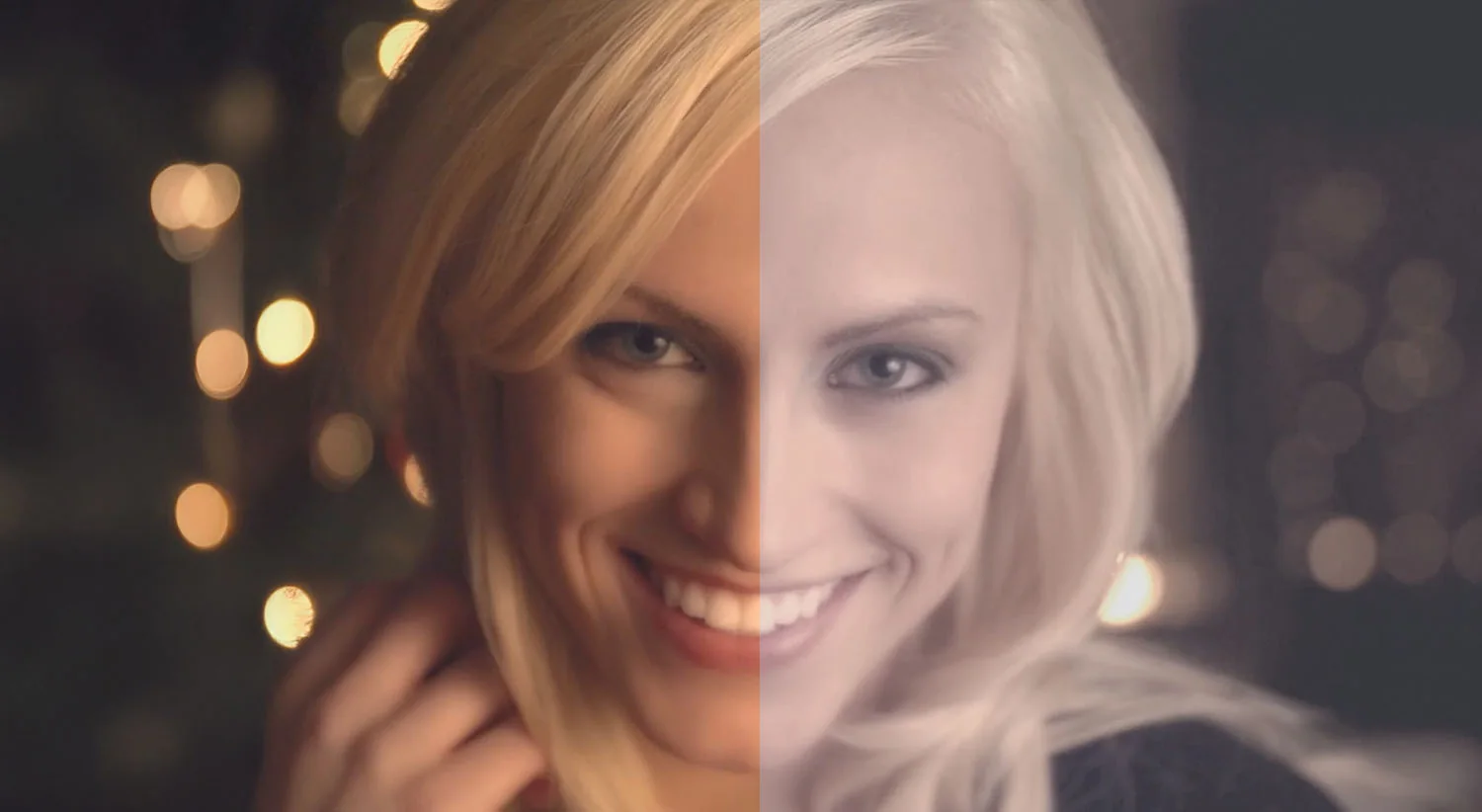 Color GradingCREATIVE EDGE PRODUCTIONS
Color Grading
What a considered grade can change
Footage can come from different cameras, locations and days. Before adding a look, we work on exposure, balance and shot matching. Skin, products and brand colors need care so the grade supports the image rather than fighting it.
The creative look follows the story. It may be clean and natural, warm and intimate, or deliberately stylized. We can finish a Creative Edge edit or discuss a standalone grade for a production you have already made.
Choose the right format
Color work for different kinds of footage
The source and the intended use determine how much can be adjusted and what the finish needs to achieve.
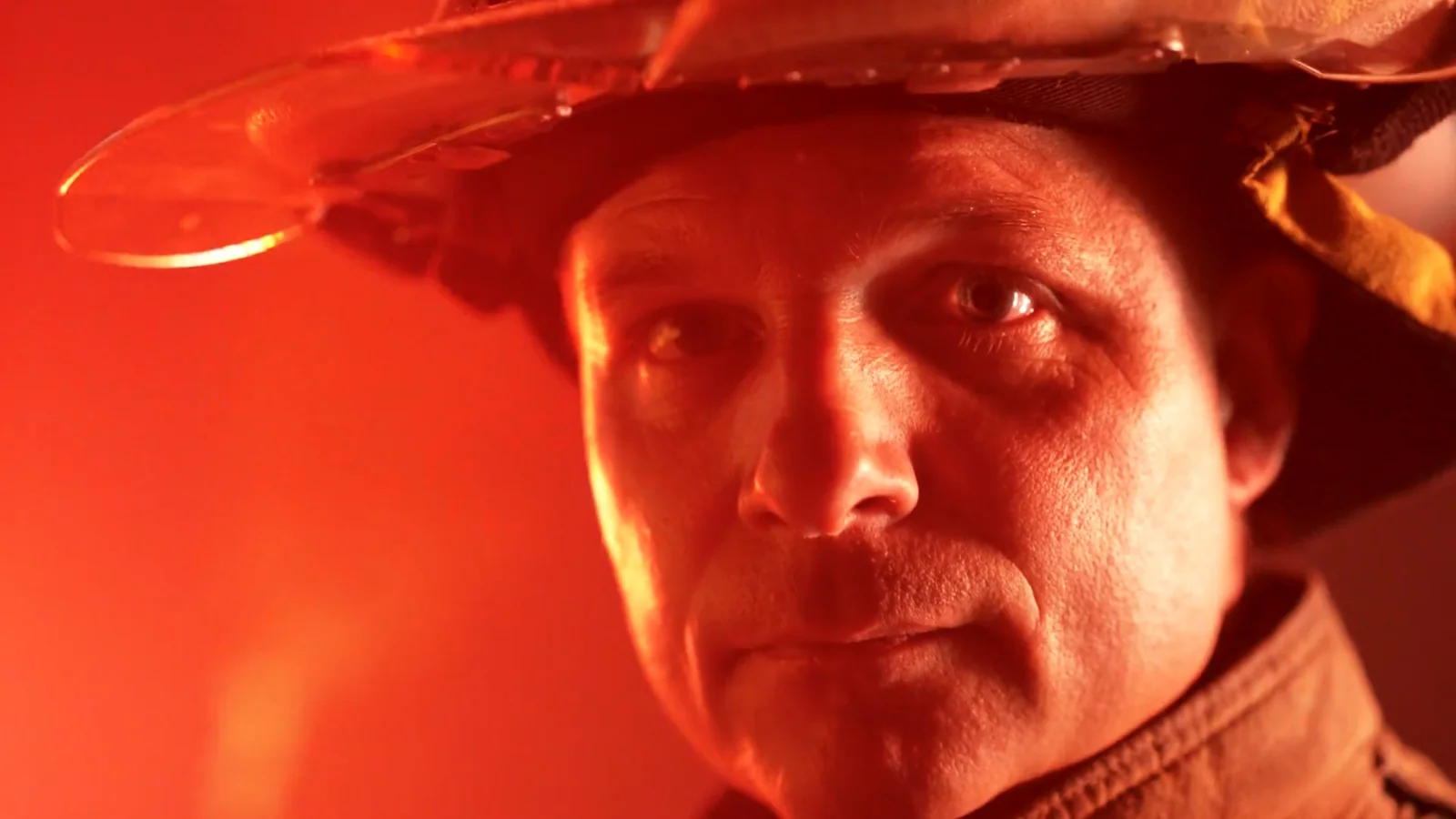
Commercial and brand grades
Make the sequence coherent while protecting important skin, product and brand colors. We develop a look that supports the campaign rather than applying the same preset to every shot.
Where it worksAds, product films and brand campaigns.
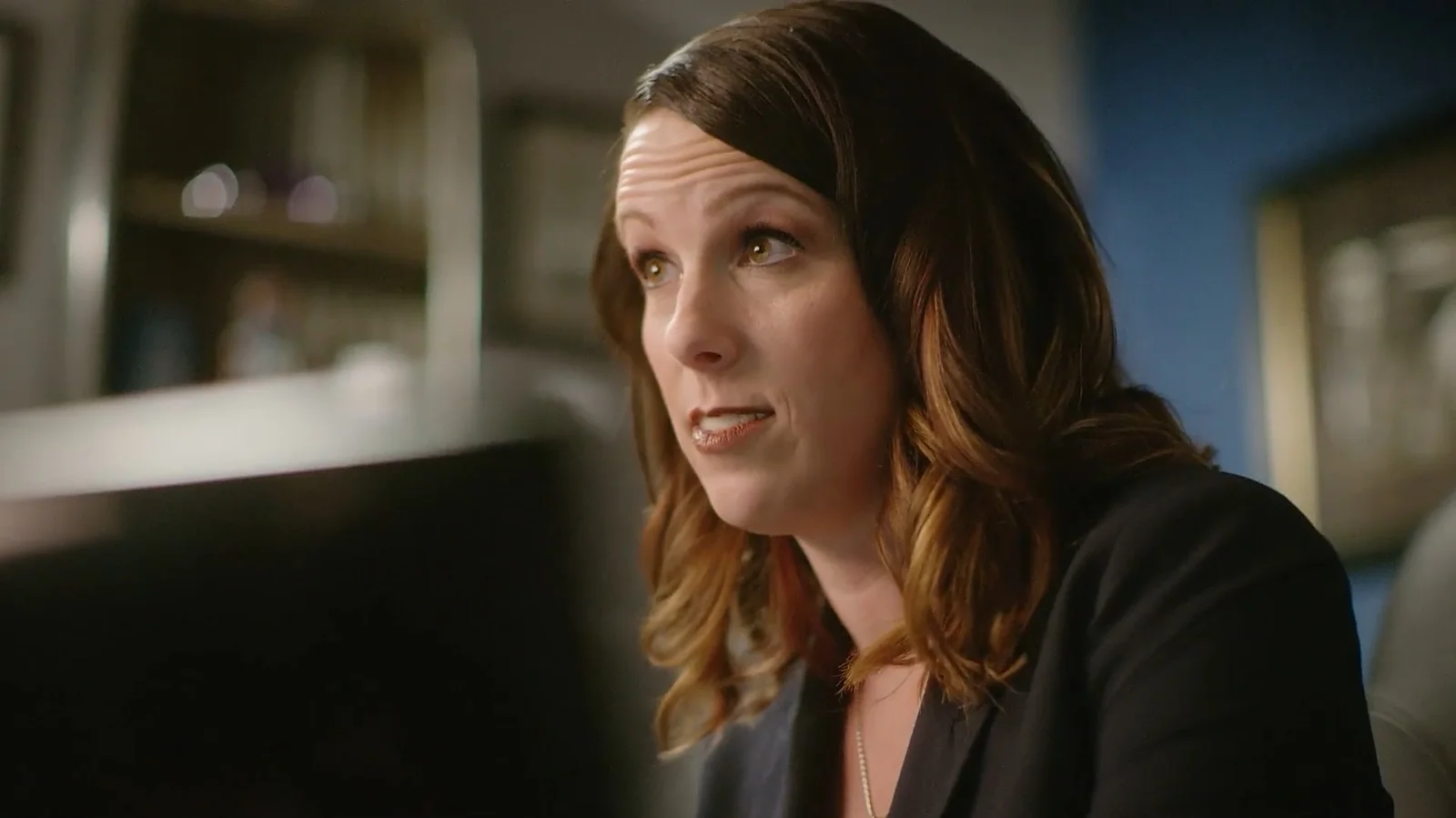
Corporate and interview footage
Different locations and camera angles need to feel connected. Balanced faces, consistent contrast and restrained matching can help the viewer stay focused on the explanation.
Where it worksCompany stories, testimonials and leadership content.
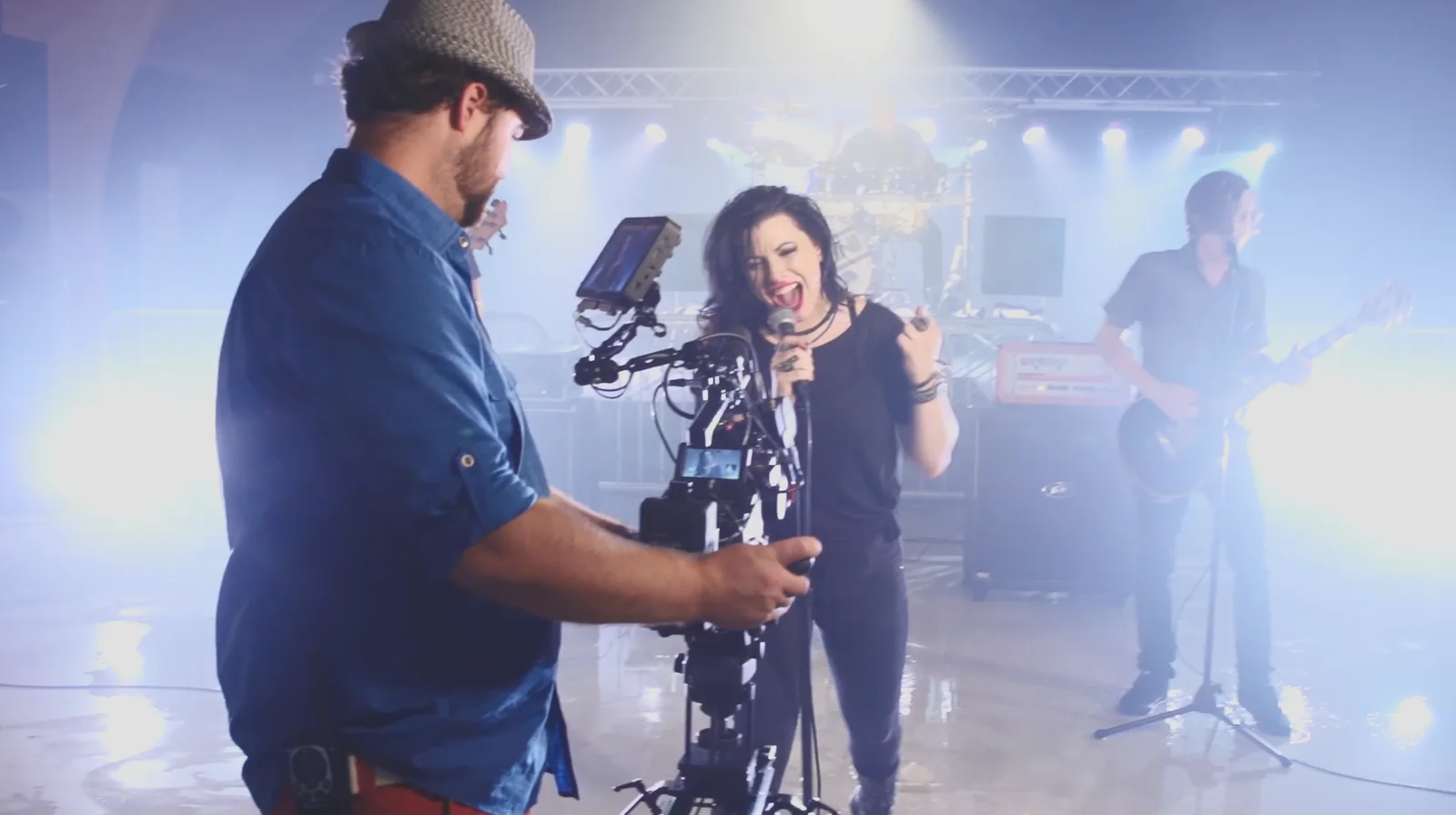
Music videos and narrative projects
A creative palette can connect scenes or distinguish parts of a story. We explore representative frames before carrying a stylized look across the whole piece.
Where it worksArtist releases, short films and performance content.
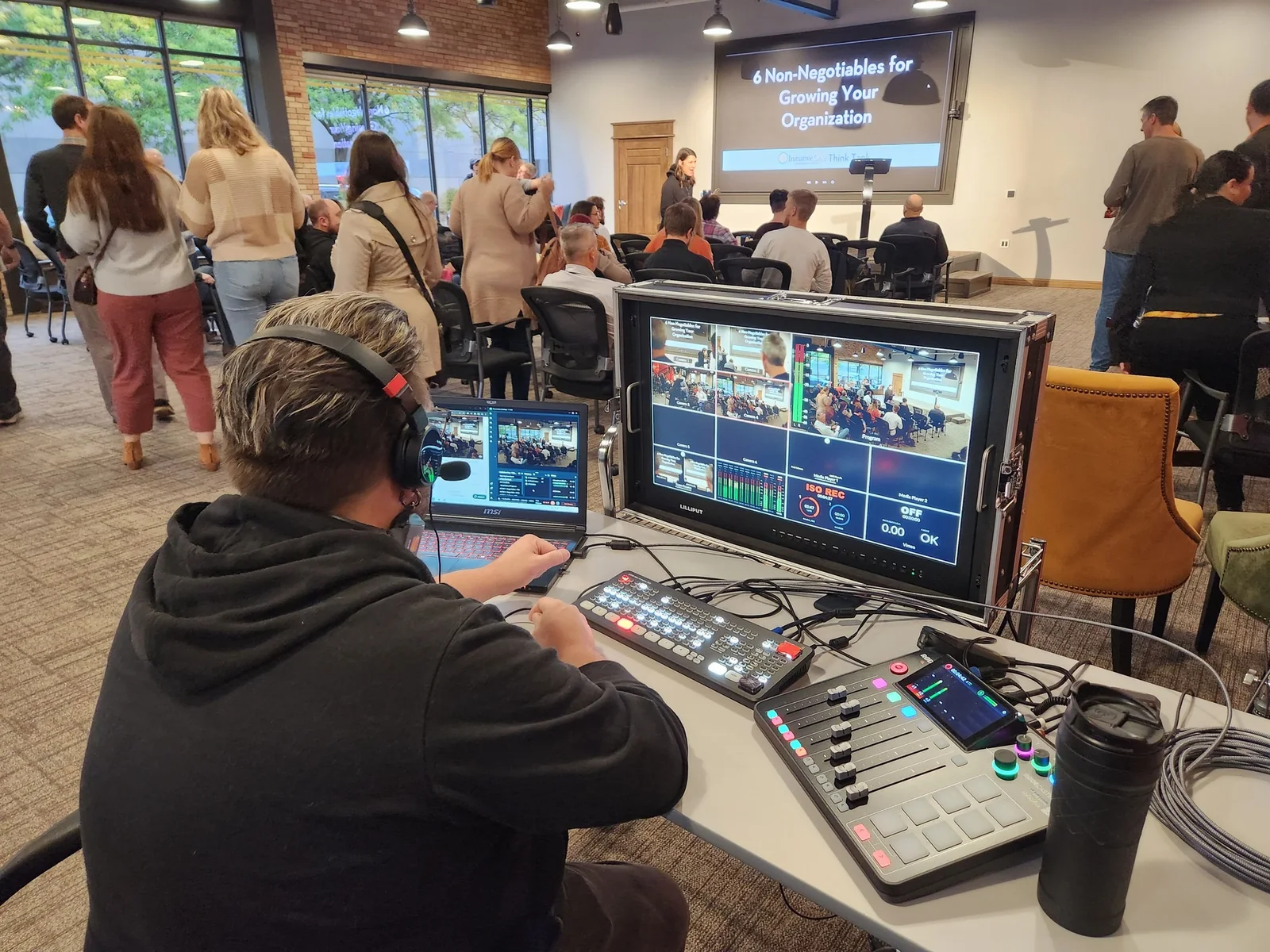
Multicamera and mixed-source matching
Recordings from different cameras may respond differently to light and color. We assess the media and match the useful common ground without pretending every source has the same flexibility.
Where it worksEvents, podcasts and supplied-footage productions.
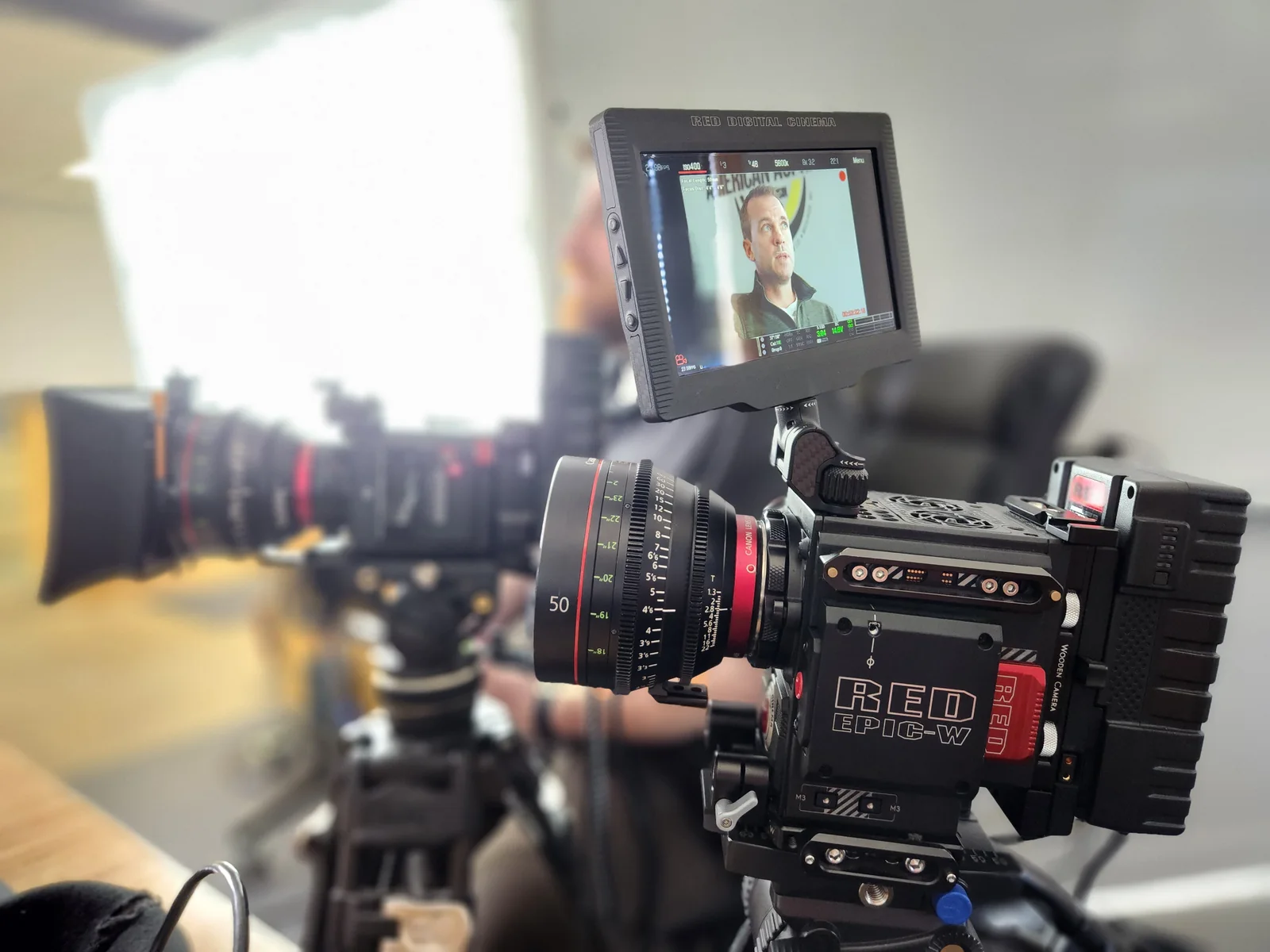
Log and RAW finishing
A planned color pipeline helps interpret the source consistently. We confirm recording formats and settings before choosing transforms and developing the creative look.
Where it worksCinema-camera productions and high-quality masters.
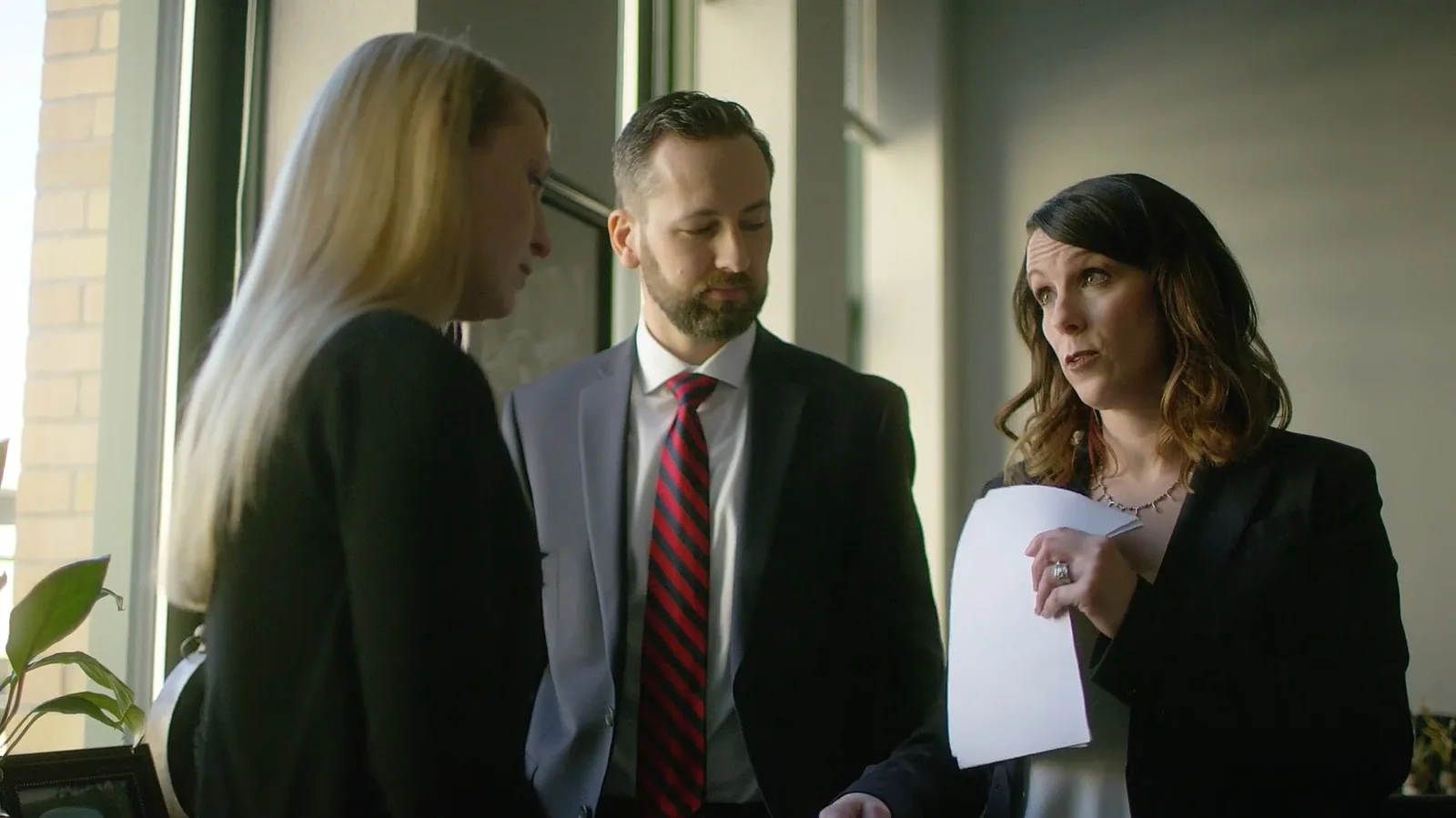
Existing-video corrections
An export may benefit from a careful balance adjustment, but it has less room than the original media. We review a sample and explain what can be improved without damaging the image.
Where it worksArchive refreshes and mixed-quality libraries.
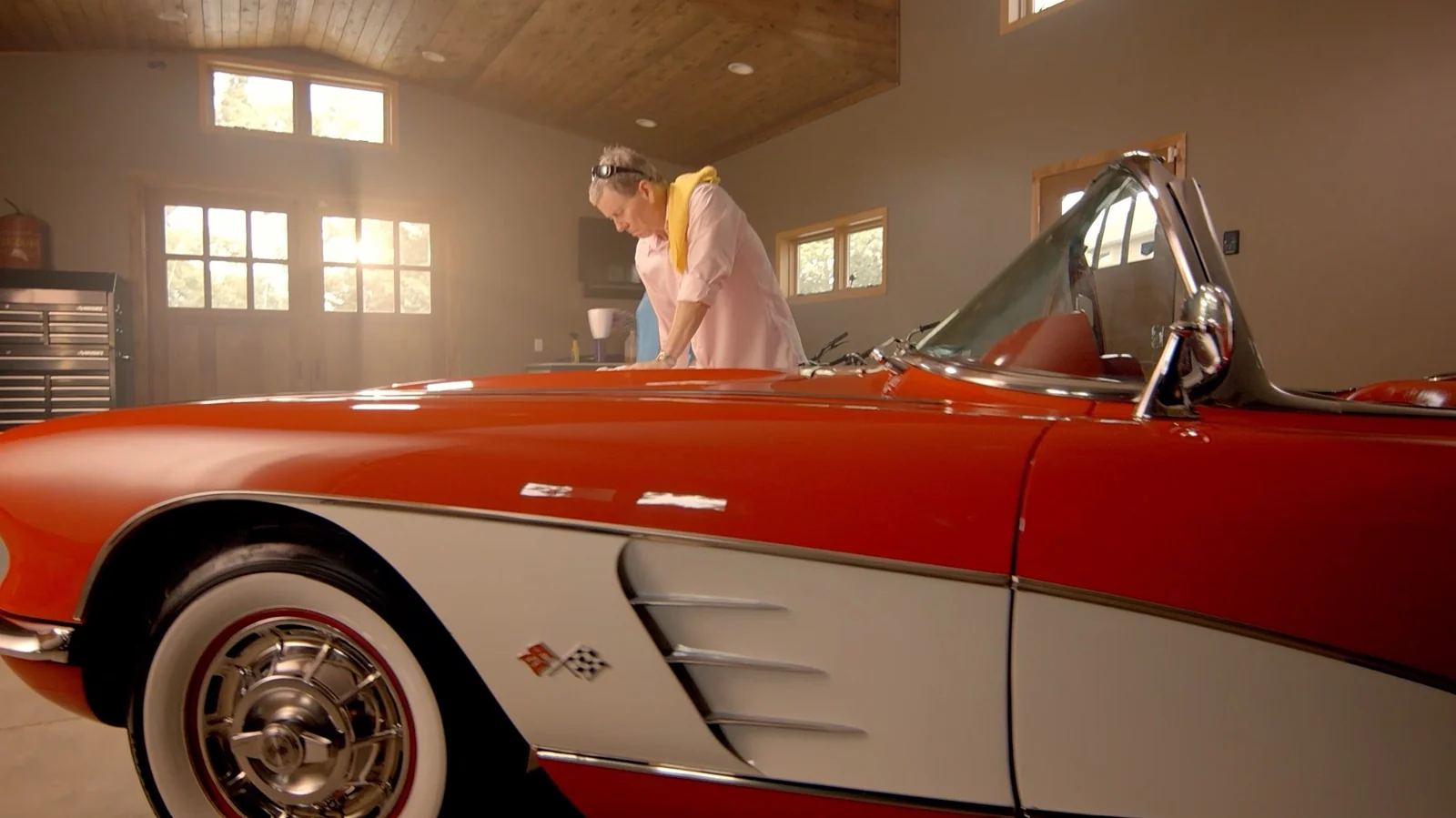
Tools with a purpose
The decisions behind the color
A consistent pipeline and careful matching matter before and after the creative look is applied.
Explore our equipmentSource-aware color management
Log, RAW and already-processed footage are different starting points. We establish how the source was recorded and interpreted so that corrections and creative adjustments begin from a sensible baseline.
Exposure, balance and shot matching
We review contrast, white balance and continuity across the sequence. Scopes support those judgments, but the subject and the relationship between shots still need visual review.
Selective image adjustments
Masks, tracking and secondary adjustments can guide attention or correct a local problem. The amount of usable detail depends on exposure, compression and the original recording.
A defined output target
The intended display and delivery format matter. Standard web delivery and specialized HDR or theatrical requirements need different planning. We confirm the requested finish instead of implying one export is right for every screen.
Working with Creative Edge
Color connected to the whole film
We can develop the finish within a production or establish a defined handoff with an outside editor.
The grade supports the production choices
When filming and finishing share a brief, lighting and exposure can be planned with the intended look in mind. The grade does not have to rescue a direction that was never agreed.
A look is reviewed in context
We judge skin, products and continuity across real scenes. A dramatic still frame is not enough if the next cut no longer belongs in the same film.
Standalone finishing can be scoped clearly
We can review work from another production team and agree on media, turnover and delivery. That makes the handoff concrete before the session begins.
From discovery to delivery
How footage moves through the grade
Explore each stage to see what happens, where your team is involved and which decisions keep the work moving.
We confirm the camera files, recording settings, reference export and delivery requirements. A sample helps identify limitations before the full turnover.
The editor supplies the agreed interchange and media. We verify cuts, speed changes, reframes and effects against the reference before grading.
Representative shots establish the creative palette and contrast. This review is the time to discuss natural versus stylized treatment.
The look is applied with individual corrections and shot matching. We review transitions and difficult shots in context, not only in isolation.
We prepare the agreed graded files or finished master and review the delivery. Any return to another editor follows the handoff defined at the start.