
Virtual Reality & 360 / Creative Edge Productions
360 video production and virtual reality experiences
Let people look around a place or experience a scene from within it. We plan immersive content around how it will actually be viewed.
Book my discovery call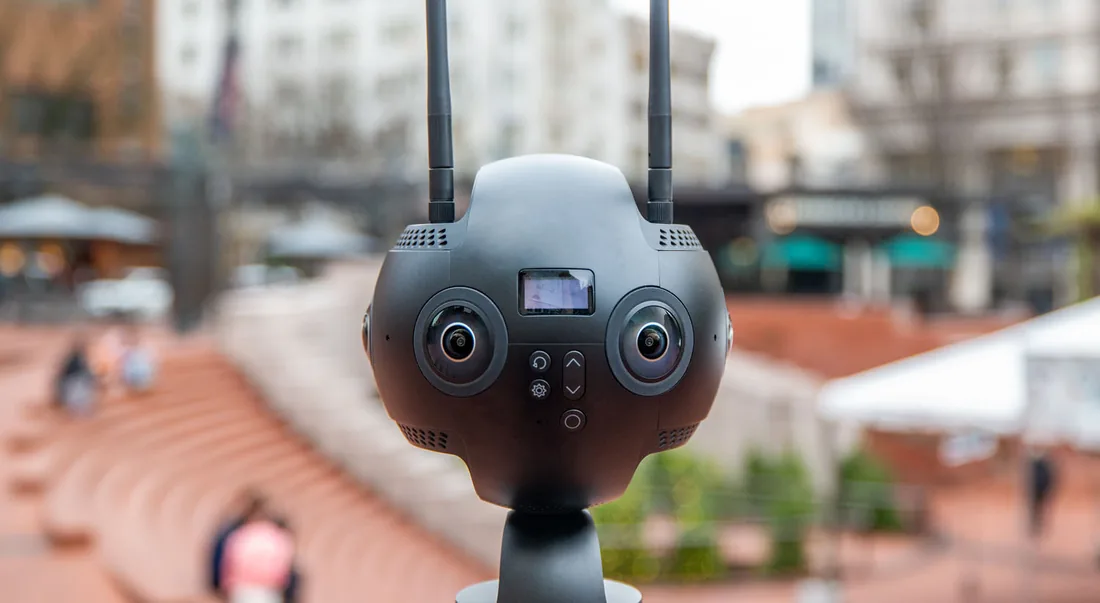 Virtual Reality & 360CREATIVE EDGE PRODUCTIONS
Virtual Reality & 360
Define the experience before choosing the camera
Immersive video changes the way you direct. The viewer can look away from the main action, and the camera sees much more of the set. We plan movement, staging and sound with that freedom in mind.
A 360 tour, a headset experience and an interactive VR application are different projects. We begin by defining the viewing device, navigation and level of interaction. That makes the production scope clear before choosing cameras, software or a delivery route.
Choose the right format
Different ways to create an immersive view
A recorded view, a navigable tour and a responsive application need different content and delivery plans.
Immersive location tours
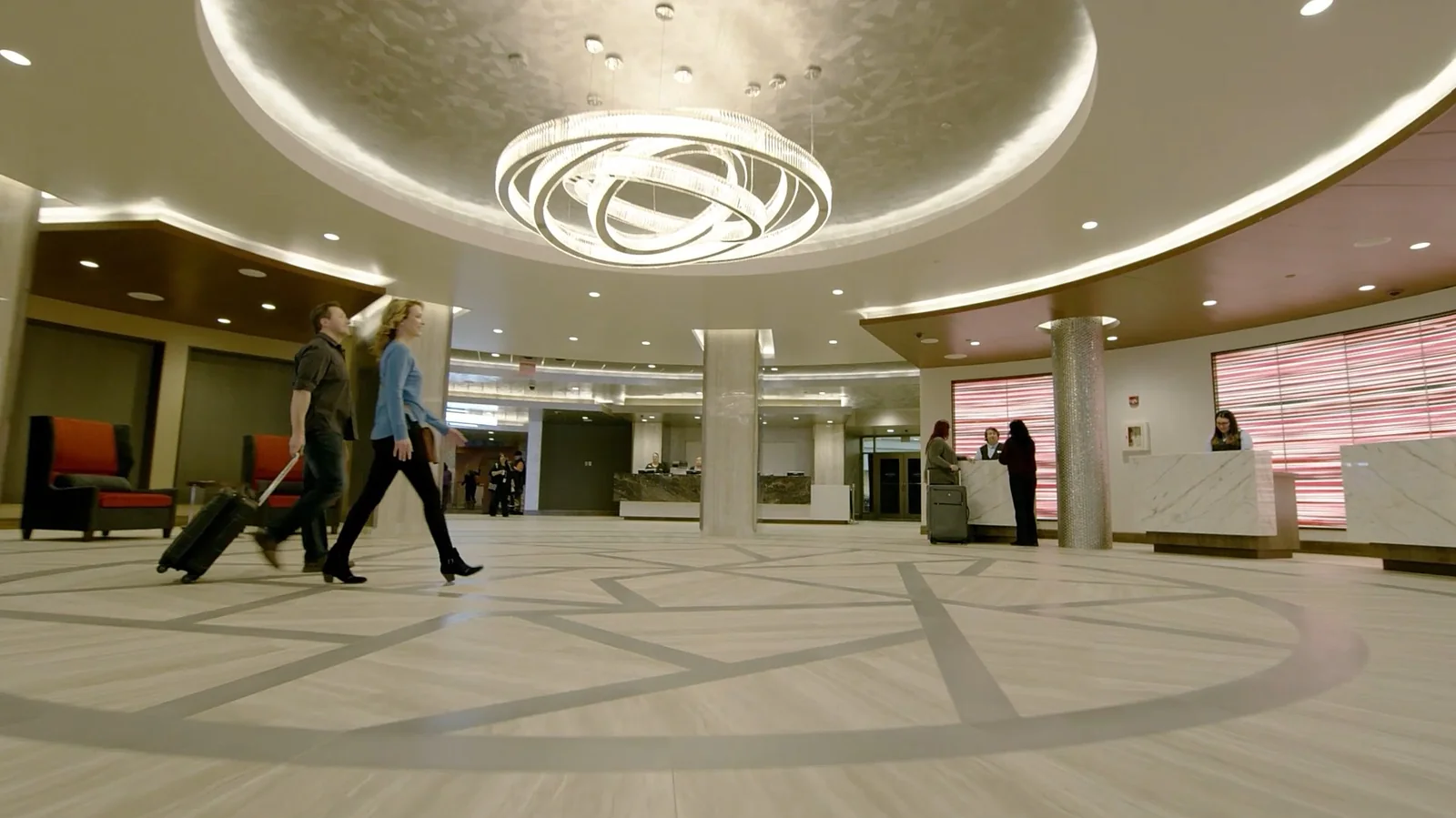
Let viewers look around a space remotely. We choose camera positions that explain how the location is organized and discuss navigation, hosting and what needs to remain private.
Where it worksFacilities, destinations and location introductions.
360 brand and documentary stories
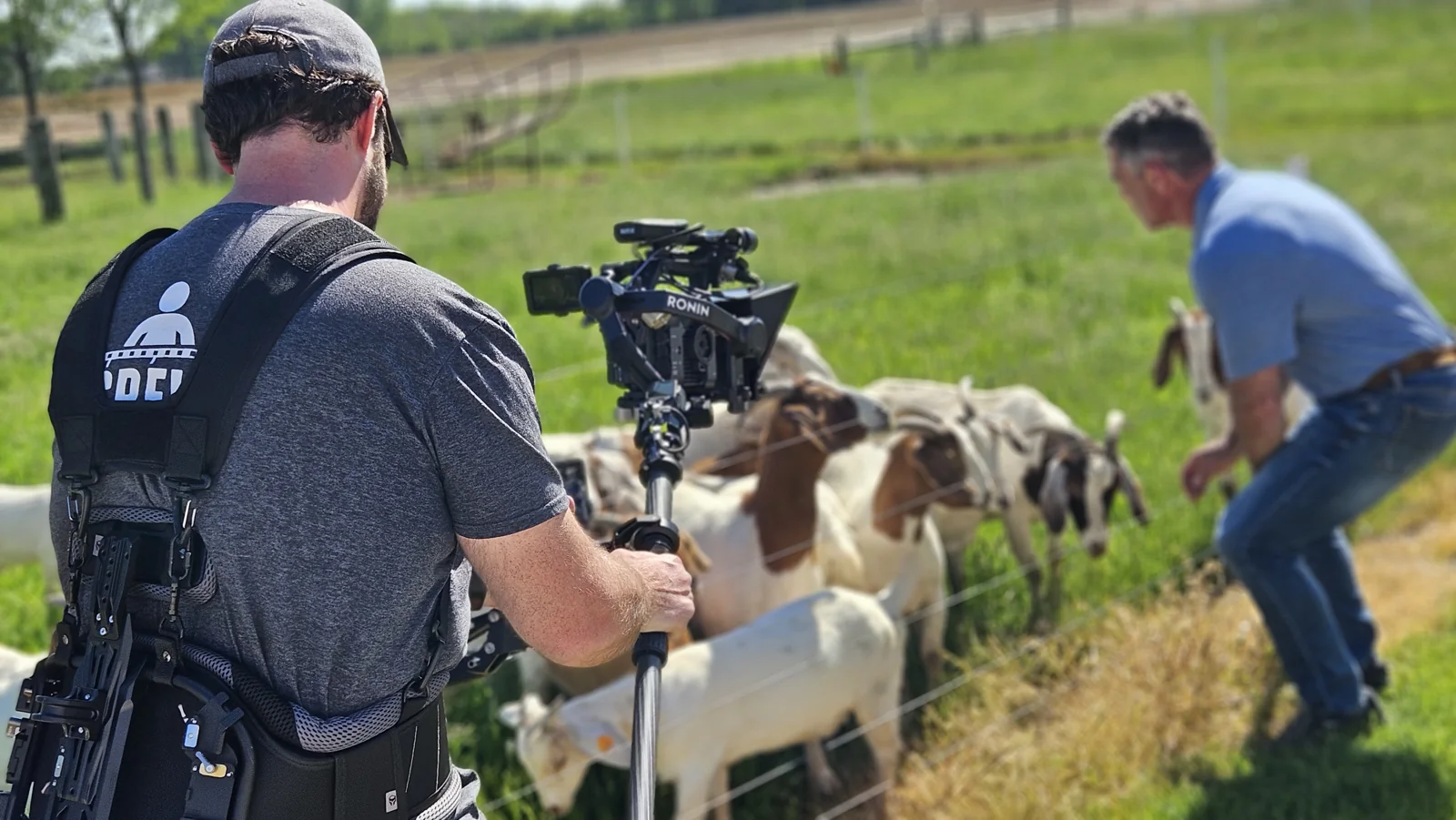
Place the viewer inside a scene rather than choosing every angle for them. Action, sound and staging need to guide attention while allowing room to explore.
Where it worksImmersive storytelling and place-based campaigns.
Workplace and training experiences
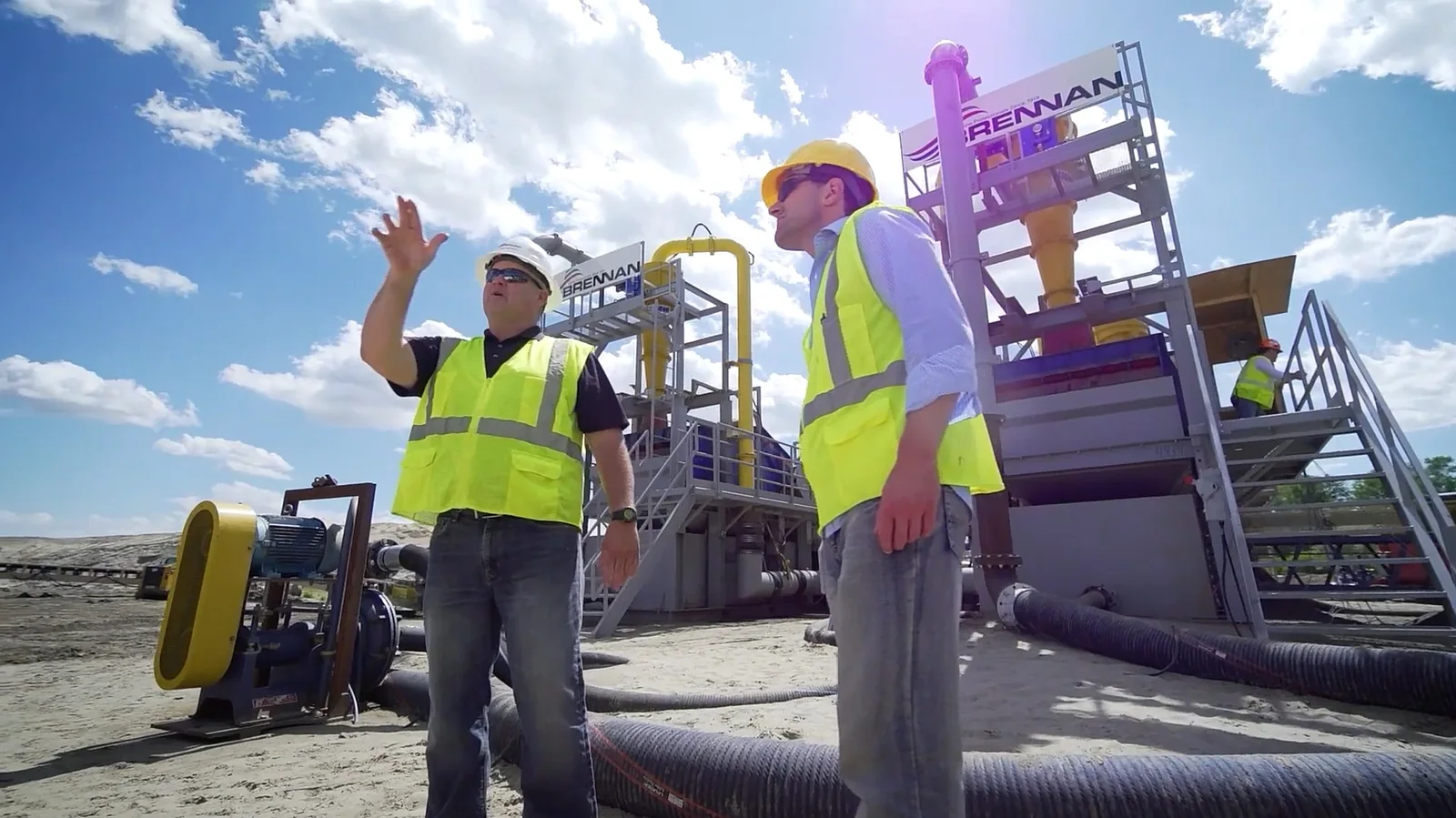
A recorded environment can support orientation or a specific explanation. We distinguish passive viewing from interactive training so the production and assessment requirements are not confused.
Where it worksFamiliarization, onboarding and selected learning scenarios.
Event and experience capture
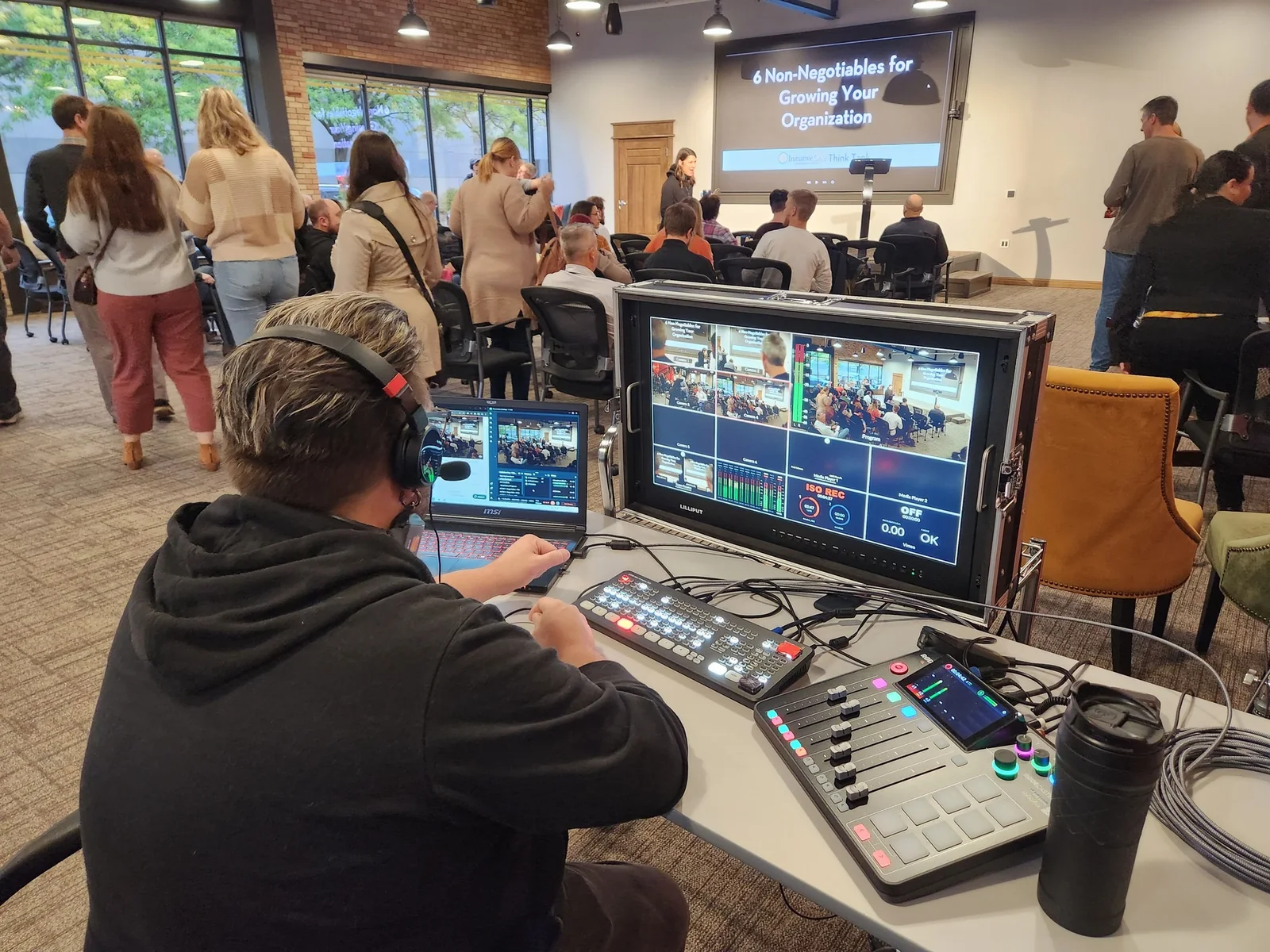
An all-around recording can communicate what it felt like to be in a place. Camera position, audience movement, sound and permissions need planning before the event.
Where it worksImmersive highlights and experience documentation.
VR180 and focused immersive views
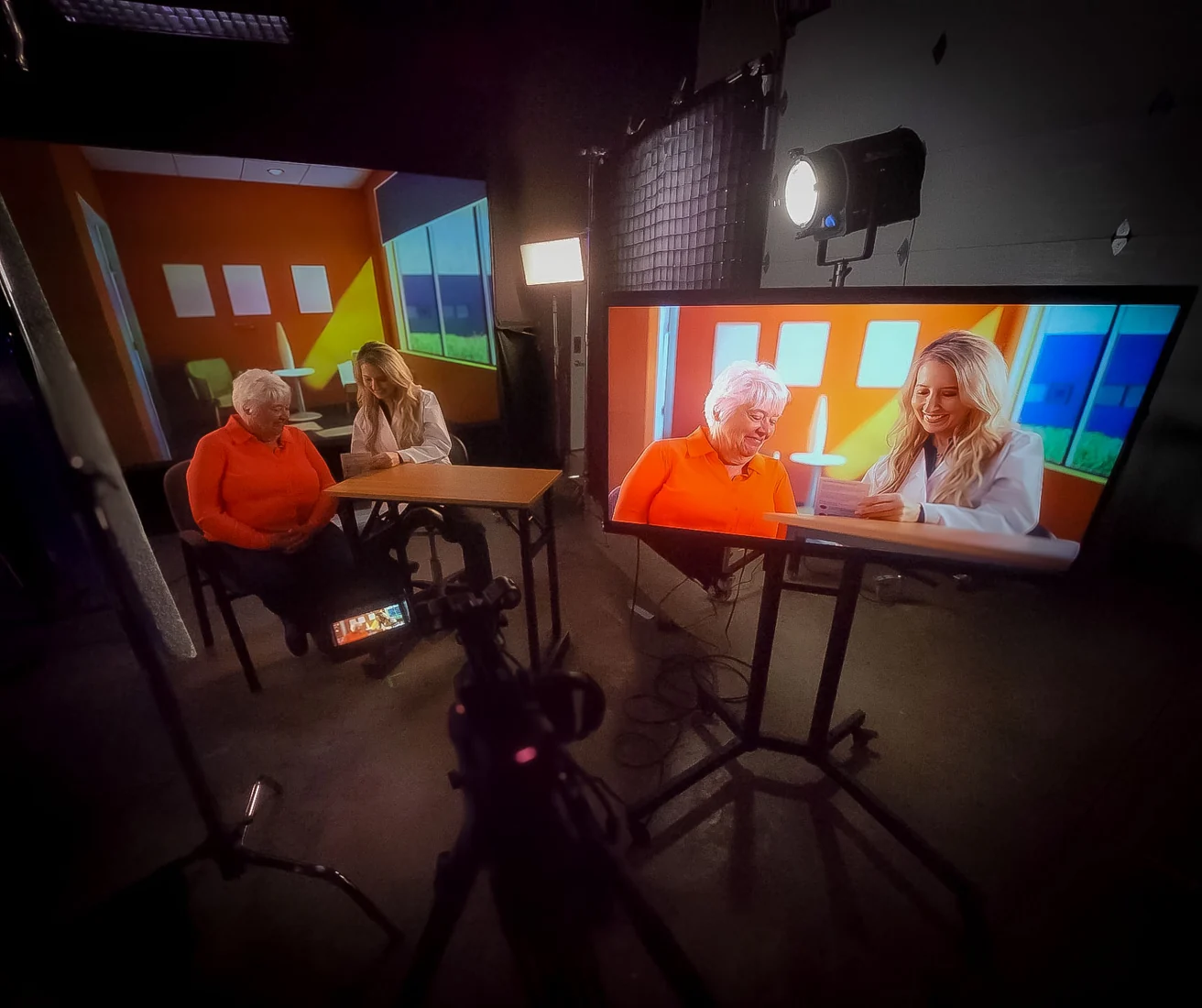
A forward-looking immersive format can be useful when the important action stays in front of the viewer. The choice depends on the experience and the supported playback device.
Where it worksHeadset-oriented presentations and staged experiences.
Interactive VR planning
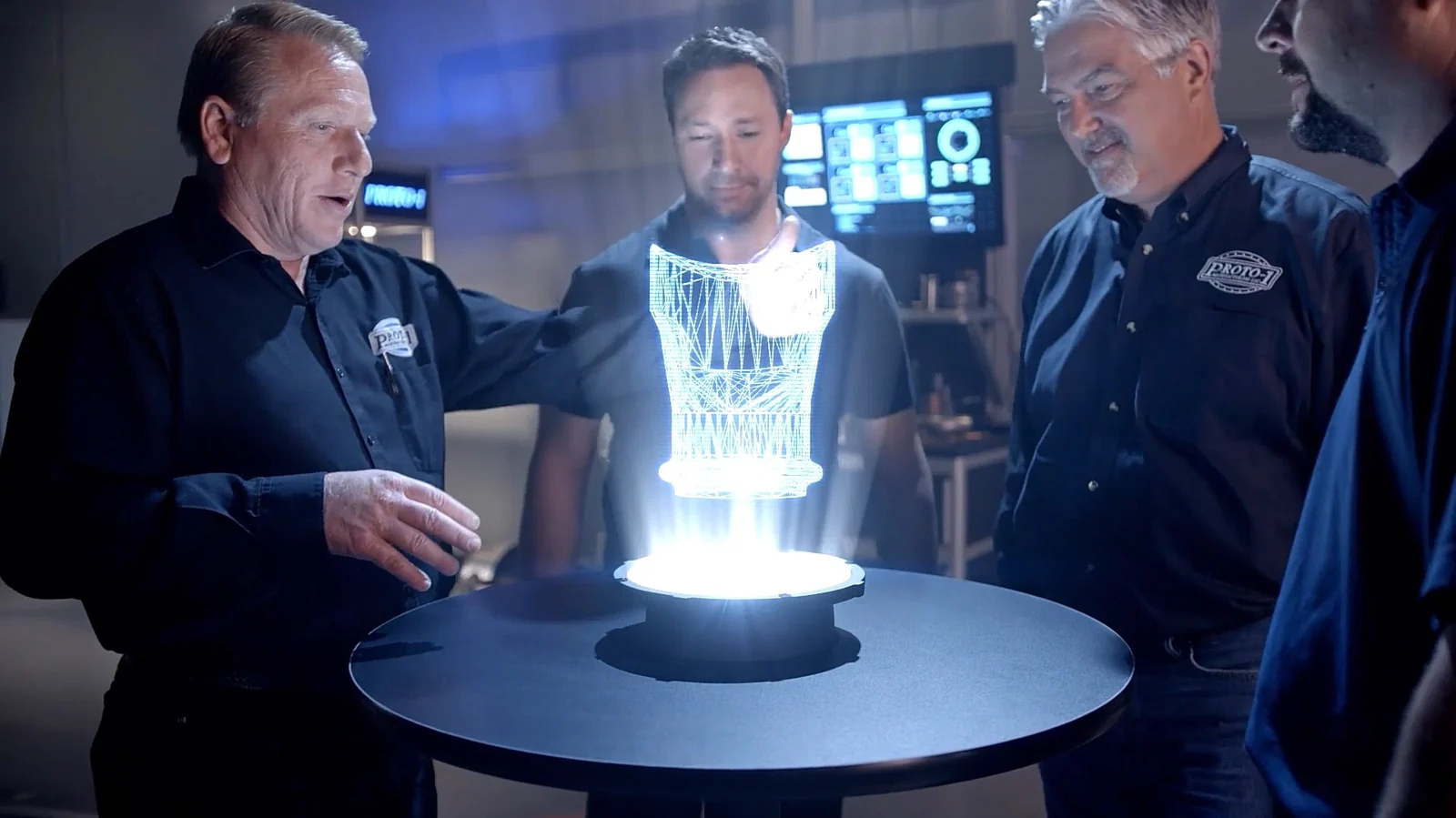
An application that responds to movement or actions is a different scope from recorded 360 footage. We help define the interaction, content and technical requirements before confirming a build route.
Where it worksProject discovery, prototyping and production planning.
Tools with a purpose
The technology behind an immersive view
Camera choice is only one part of capture, stitching, attention and playback.
Explore our equipmentDedicated immersive cameras
Our in-house inventory includes the Insta360 Pro II 8K VR360 and Z CAM K1 Pro 6K VR180. Capture resolution is spread across an immersive view, so it should not be compared directly with the detail in a conventional flat frame.
Stitching and camera placement
Multi-lens footage needs to be joined into a coherent view. Close subjects, moving objects near seams and unsuitable camera placement can create problems, so prevention begins during the scout.
Attention, sound and crew concealment
A 360 camera sees much more of the set. We plan where the crew can stand, how the important action is introduced and what sound delivery the viewing platform supports.
Device and platform testing
A file that looks correct in an editor still needs to work in the intended player or headset. Projection metadata, resolution, navigation and comfort are part of delivery planning.
Working with Creative Edge
Immersive content with a defined scope
We help separate the viewing experience from the technical assumptions so the production can be planned accurately.
The experience comes before the camera
We establish whether the viewer needs to look around, navigate or interact. That avoids filming a 360 video when the project actually needs an application or a simpler flat film.
Dedicated capture and conventional production
Our immersive and cinema equipment give us options for a combined content library. A facility project might need both an all-around view and conventional footage for the website.
Clear boundaries around interactive scope
We identify platform, software and development requirements before promising an interactive result. A video production estimate does not silently stand in for a VR application build.
From discovery to delivery
From experience brief to tested delivery
Explore each stage to see what happens, where your team is involved and which decisions keep the work moving.
We establish the audience, device, viewing position and desired interaction. The first decision is whether recorded 360, VR180, a tour or an application is the right category.
We plan camera positions, movement, seams, sound and crew placement. Access and sensitive areas are reviewed with the people responsible for the location.
The team captures the planned scenes and checks the material while the location is available. A missed part of an all-around view may be difficult to hide later.
We assemble the immersive view, edit the experience and complete the agreed cleanup and sound work. Navigation or interactive components follow their separately defined scope.
The finished experience is reviewed on the agreed devices. We confirm the handoff, hosting responsibility and what future location changes would mean for updates.